
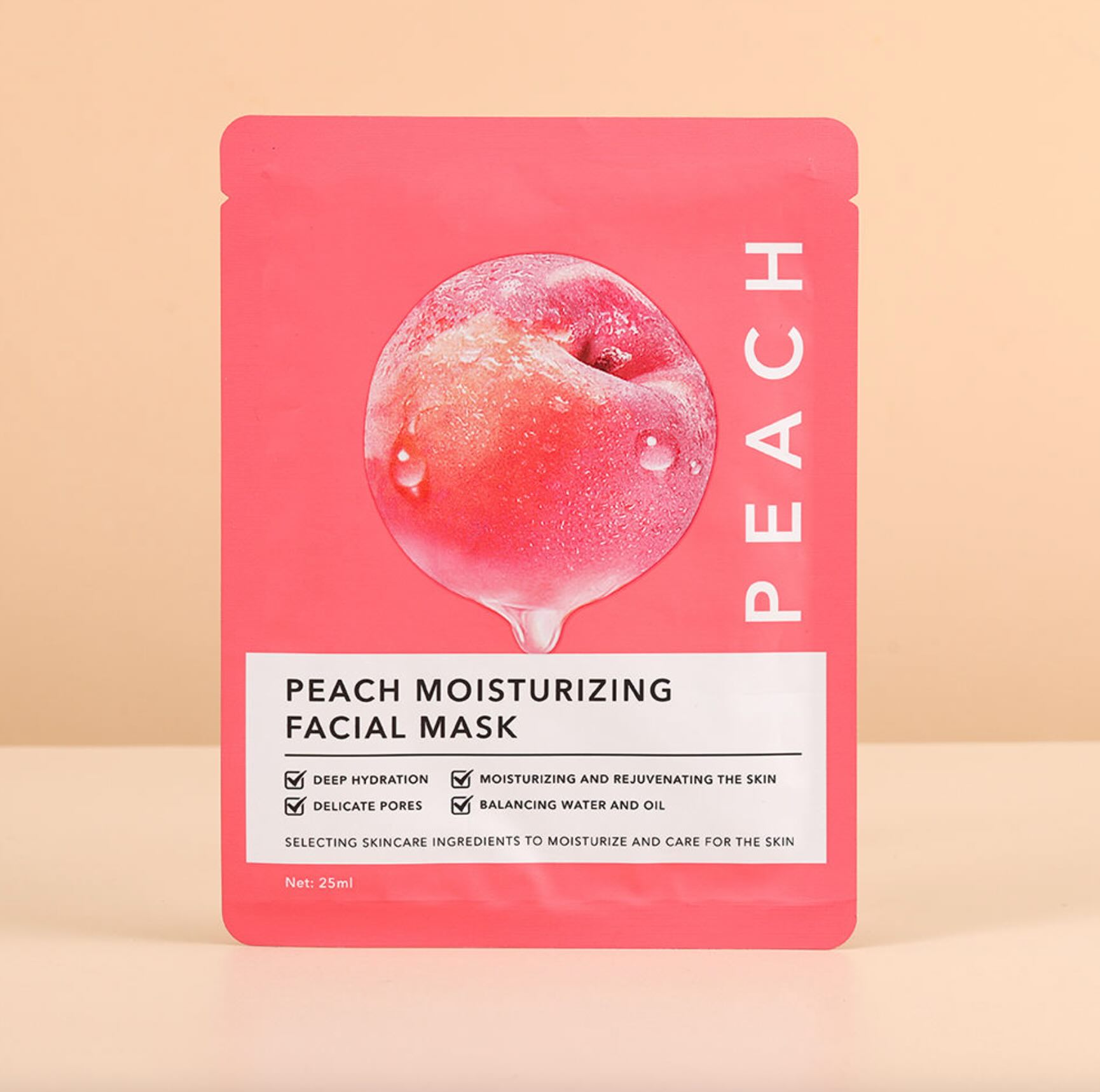
You need 5 g of protein powder in a sampler. Or your spice brand is sending trial sticks to 2,000 subscribers. Either way, what you're after is a powder packet — a small, sealed pack built for a single dose or a sample, not a 500 g stand-up bag that lives on a shelf for months.
That distinction matters, because "packet" changes almost everything about the spec: the format, the film, and above all the seal. Get the seal wrong on a tiny pack and you don't have a leaker you can spot — you have a box of 10,000 leakers.
Here's how to spec a powder packet without learning the hard way.
First, what counts as a "packet"
In packaging terms, a powder packet is usually one of three things:
- Sachet — a flat pack sealed on three sides (3-side seal). Cheapest to make, easiest to fill, the workhorse for samples, trial packs, and single doses.
- Stick pack — a narrow, tall pack formed from rollstock. Portable, premium-looking, the standard for drink mixes and on-the-go supplements.
- Small stand-up with zipper — a mini version of the pouch you already know. Used when the packet is actually multi-serve and needs resealing.
Notice none of these is a "bag" in the retail sense. A packet is small, single-purpose, and usually formed or filled at speed. If your product is multi-serve and sits on a shelf, you want a stand-up pouch, not a packet.
Sachet vs stick pack vs mini stand-up
|
Format |
Best for |
Filling route |
Reseal? |
Feel |
|
3-side seal sachet |
Samples, trials, single doses, low SKU |
Form-fill-seal or preformed |
No |
Plain, functional |
|
Stick pack |
Drink mixes, portable doses, premium SKUs |
Multi-lane rollstock FFS |
No |
Slim, modern |
|
Mini stand-up + zipper |
Small multi-serve, repeat use |
Premade pouch, top seal |
Yes |
Familiar, retail |
The trap buyers fall into: they pick stick packs because they look sharp, then find out stick tooling needs a narrower web and tighter dose control. For a first run of samples, a 3-side seal sachet is almost always the cheaper, faster answer. Move to sticks once the SKU is proven.
The film still has to block moisture
A packet is small, but powder is powder — it clumps the moment humidity gets in. Pure kraft paper breathes, so a "paper packet" for powder is usually a kraft/PE/foil laminate that looks paper but seals out air. For anything sensitive (protein, collagen, milk powder), go aluminum foil construction — PET/AL/PE — so the barrier is real, not decorative.
We covered the material choice in depth on our powder & spice packaging page. The short version: right-size the barrier to the shelf life you actually need, don't pay for 24-month foil on a packet someone opens in a day.
The seal trap (this is where most orders fail)
Here's the part contract packers mention in passing but rarely teach: powder gets into the seal, and a contaminated seal leaks. A 5 g sachet has almost no margin. A few grains of dust on the seal jaw, and the pack reseals over a gap.
What to actually ask your supplier:
- Do you clean-cut the web before sealing, or rely on registration alone?
- Can you run an anti-static treatment so fine powder doesn't cling to the film edge?
- What's your seal-integrity check — burst test, or just a visual pass?
A maker who answers these without blinking is one who's ruined a few orders and fixed the line. One who glosses over it will ruin yours.
Real numbers, not a quote form
We run powder packets two ways:
- Digital print: MOQ from 500 pieces. No plate fee. Best for samples, trials, and small SKUs where you'll tweak the artwork.
- Gravure print: MOQ from 5,000 pieces. Plate (cylinder) cost is subsidized against your order volume, so the per-unit drop is real on long runs.
Lead time: 3–5 days for a sample, 7–15 days for production once the proof is signed. All partner lines hold CE, ISO, FDA, BRC, and food-contact grade certification. Samples are free and the cost is rolled into your order — no separate invoice, no awkward follow-up.
We work through 10+ certified factories and support factory audits; you can talk to the plant manager directly, not a sales layer repeating what he heard. For powder, that matters — the person who sets the seal jaw is the person who saves your batch.
Your powder packet spec checklist
Send this and you'll get a real quote instead of a placeholder:
- Product — what powder, and is it free-flowing, sticky, or oily?
- Dose — grams per packet (drives format: sachet vs stick).
- Format — 3-side seal, stick, or mini stand-up?
- Film — kraft/PE/foil, or full PET/AL/PE foil?
- Size — finished dimensions, or we'll propose from the dose.
- Print — colors, and do you need matte or gloss?
- Finish — tear notch, laser score, or just a clean edge?
- Quantity — digital (from 500) or gravure (from 5,000)?
- Cert needed — FDA/BRC/food-contact for your market?
- Destination — so we match the right compliance and shipping.